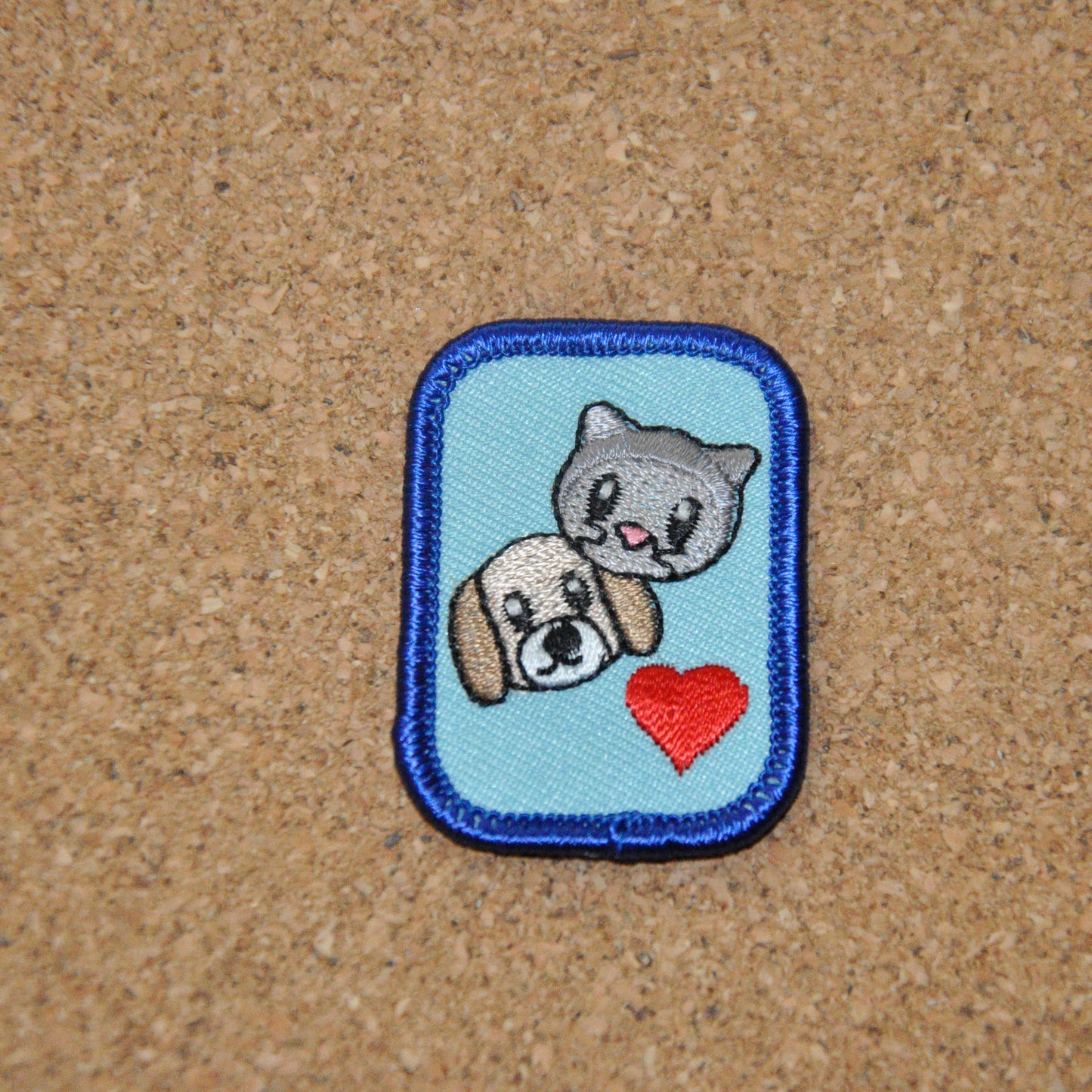
Pet Care (I Love Animals)
Pet Care (I Love Animals)
100 in stock
Couldn't load pickup availability
FREE WORKSHEETS WILL BE EMAILED TO YOU AFTER YOUR PURCHASE.
ITEMS COVERED IN THE KIT ARE BOLD BELOW.
BR - complete 2 requirements, JR complete 3 requirements, CSA completes 4 requirements
1. Choose a pet you own or want to own. What do they eat, where do they sleep, and do they have toys they play with?
2. Learn more about taking care of other people's animals. Visit an animal shelter or veterinarian clinic. Take a tour and learn more about their job and animals they help.
3. Visit a pet store and view different animals. Which animal would be best for your family? Do you have room for it?
4. Learn how to take care of an animal by having one of your own or researching the information online, completing an activity sheet, or by talking to someone. What items do you need to care for it? What type of food do they eat or drink? Do you need to clean its home, if so how often? Do you need to clean it or brush it?
5. Complete a community service project for an animal. Feed horses, blankets for dogs, toys for cats, and more.
6. Different animals do different things. Cats and dogs sit, walk a dog, brush a horse, feed a turtle, etc. Practice these with an animal OR watch a show with well-trained or well-groomed animals.
7. Create an artistic picture or project of an animal. Which animal did you choose?
8. Learn more about endangered animals. Discover two animals that are endangered. How can you assist them or adopt one?
9. Visit a zoo, park, or natural center to learn more about animals. What is the difference between a wild animal and a pet? Compare a sound from a pet to a wild animal. Are they different? Should you feed wild animals?
10. Go on a scavenger hunt online, at the zoo, a show, or go to an animal park. Find one animal in every category listed below: One animal with claws, animal with a long tail, animal with wings, animal with feathers, and one with fur. For extra, you can draw them or list them.
11. Animals can camouflage to protect themselves. Learn about one animal and how they camouflage and what color.
12. Learn more about how animals keep people safe or assist people with disabilities. View a video, attend a workshop, or read an article.